 By Zer0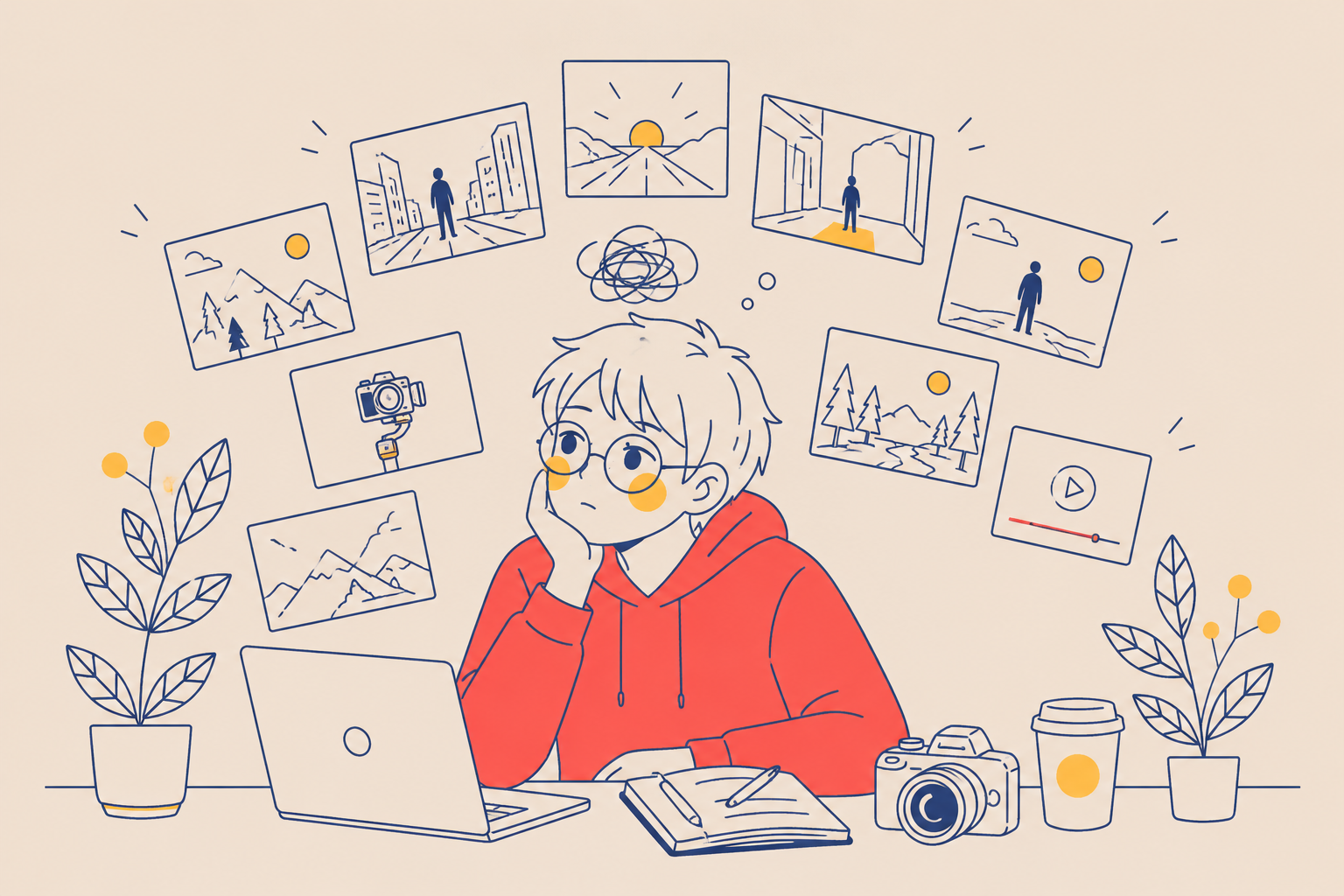
I think one of the worst things you can do as a beginner in videography is spend eight hours watching cinematic videos on YouTube before touching your camera.
Unfortunately, that is exactly what I did.
At first it feels inspiring. You watch beautifully graded footage of rainy streets in Tokyo, slow motion shots of forests during sunrise, people walking through empty buildings while ambient music plays in the background, and suddenly you convince yourself:
“Yeah. I want to make videos like this.”
Then you go outside with your own camera and somehow your footage looks like security camera footage from a parking garage.
That gap between expectation and reality hits surprisingly hard.
Cinematic Videos Hide the Boring Parts
One thing I’m slowly realizing is that cinematic videos make filmmaking look much more effortless than it actually is.
You only see the final result:
- perfect lighting
- perfect movement
- clean color grading
- carefully chosen music
- stable footage
- beautiful locations
You do not see:
- the badly exposed clips
- awkward camera movement
- focus mistakes
- weird white balance
- boring shots
- failed edits
- the creator walking around confused for 40 minutes trying to find an angle
As a beginner, it’s easy to forget that professionals also shoot terrible footage sometimes.
You only see the polished version.
Watching Too Much Content Starts Distorting Reality
After a while, you stop watching videos normally.
You start analyzing everything.
“What lens did they use?”
“How did they grade this?”
“What frame rate is this?”
“What camera profile is this?”
“Maybe I need a gimbal.”
“Maybe I need a better lens.”
“Maybe my footage looks bad because I don’t shoot RAW.”
Your brain slowly turns filmmaking into a technical puzzle instead of a creative process.
I noticed this especially after getting my Nikon ZR.
Instead of simply going outside and filming things, I started overthinking:
- codecs
- dynamic range
- color spaces
- shutter angle
- LOG profiles
- RED RAW file sizes
- LUTs
And while those things matter, constantly thinking about them can also stop you from actually creating anything.
Gear Starts Feeling Like the Missing Piece
This is probably the biggest trap.
You start believing the next piece of gear will finally unlock the “cinematic look.”
A new camera.
A faster lens.
A better tripod.
A mist filter.
A drone.
A new editing plugin.
A different color grading LUT.
And honestly, I still fall into this mindset sometimes.
Because cinematic videos are really good at making equipment feel magical.
But the uncomfortable truth is that most cinematic footage works because the creator understands:
- lighting
- framing
- movement
- pacing
- atmosphere
Not because they own the newest camera body.
I’ve seen people create incredible footage with cameras much cheaper than mine.
And I’ve also seen expensive cinema cameras produce footage that feels completely lifeless.
I Think Beginners Forget Other Beginners Exist
This sounds obvious, but it genuinely affects your mindset.
When you spend too much time watching highly polished creators, you stop seeing beginner-level work entirely.
You only compare yourself against people with:
- years of experience
- professional editing skills
- access to amazing locations
- expensive lighting setups
- strong storytelling ability
Meanwhile you’re sitting there trying to understand why your handheld walking shot looks like a confused side quest.
That comparison becomes unfair very quickly.
Especially because a lot of creators only upload their best work. You’re comparing your learning process to someone else’s highlight reel.
Trying to Recreate a Mood Never Works Immediately
This is another thing I noticed recently.
You watch a cinematic video that gives you a specific feeling:
- loneliness
- nostalgia
- calmness
- tension
- freedom
Then you go outside trying to recreate that exact emotion instantly.
But mood in filmmaking comes from so many combined elements:
- lighting
- weather
- movement
- sound design
- pacing
- music
- color grading
- location
- timing
It’s not just “point camera at cool building.”
Some of my favorite cinematic shots I’ve taken happened almost accidentally while casually filming random moments without trying too hard.
Meanwhile some of my most planned shots ended up feeling strangely empty.
The Weird Part Is… Watching Cinematic Videos Also Helps
Even after all this, I still watch them constantly.
Because they do inspire you.
They teach rhythm.
Composition.
Atmosphere.
Movement.
Patience.
The problem starts when inspiration quietly turns into comparison.
I think there’s a balance somewhere between:
“I want to learn from this.”
and:
“Why doesn’t my footage look like this immediately?”
I’m still trying to figure out where that balance is myself.
I’m Slowly Learning to Appreciate the Beginner Phase
I still feel awkward filming in public.
I still overthink settings.
I still mess up shots.
I still shoot clips that look way better in my head than they do on the timeline.
But I’m starting to realize that this phase is probably important.
Because eventually, years later, these are probably the videos and mistakes I’ll look back on and laugh at.
At least that’s what I keep telling myself while my SSD fills up with unusable footage.